4.7 Refining Technique
Essential Question: How can woodwind players refine their articulation, fingering, and tone production?
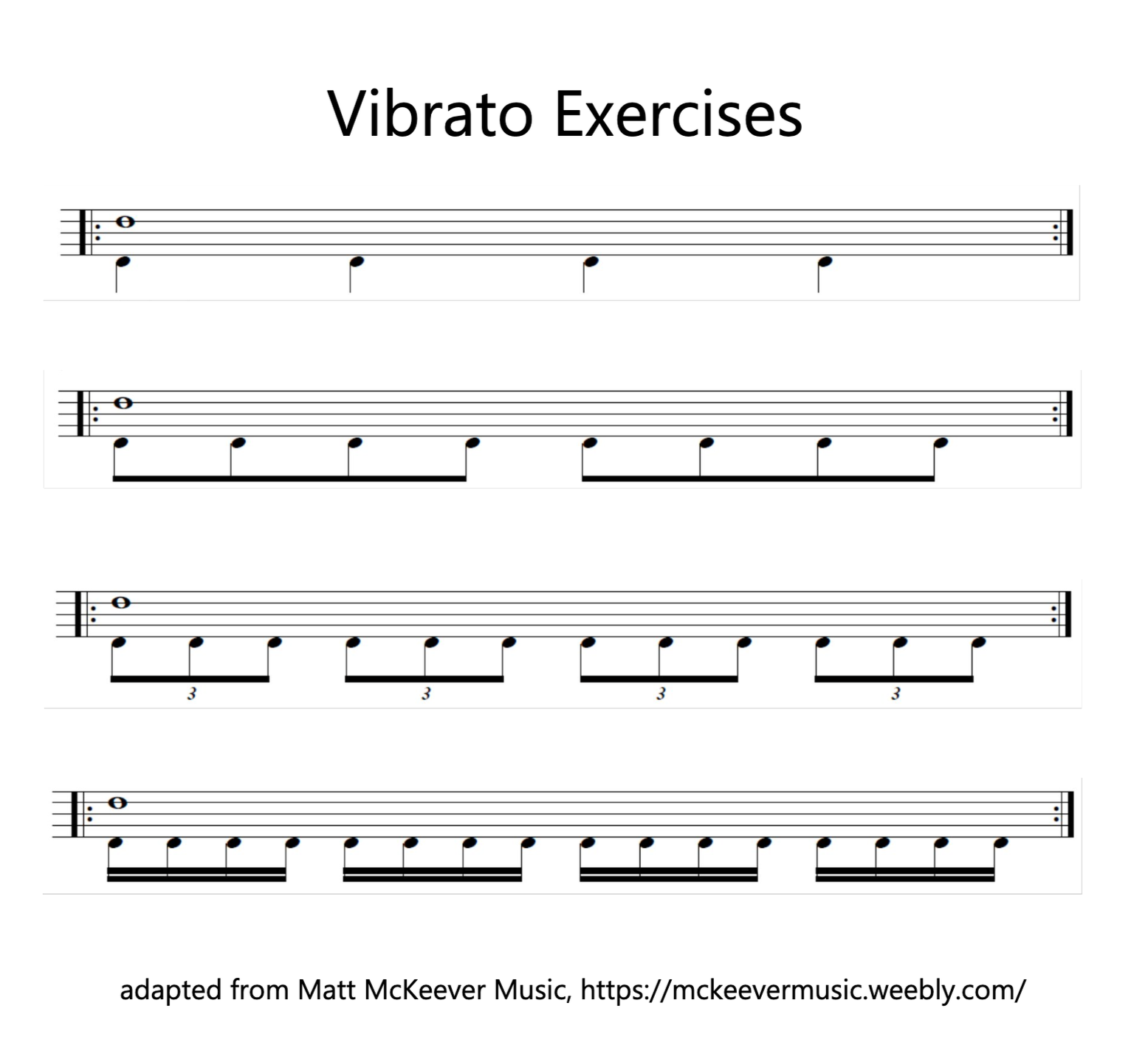
Articulation
Single-Tonguing Tips
- Use your lightest articulation—go for light, easy contact with reed
- Set metronome to barely attainable speed
- Use constant and steady stream of air
- Choose least resistant notes to start
- Practice one exercise at a time(many repeats); pause and rest when tongue gets tired
- For variation, displace the rests, mix up the rhythms, lengthen the fragments.
- Maximum 5 minutes per practice session
- *courtesy of Frank Morelli and Rachael Elliot
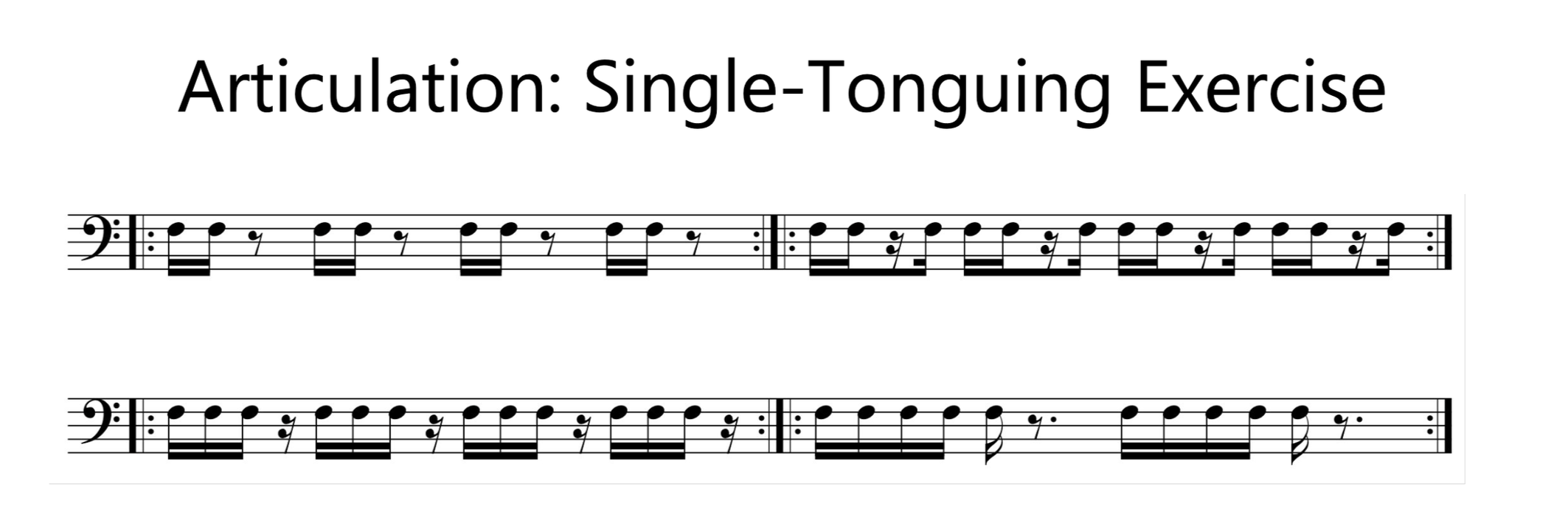
Double-Tonguing Tips
- Initiate sound with "kuh" or "kee" or "guh" or "ghee"
- The k syllable is often slow, weak, and late. Practice it until it matches your t syllable.
- Set metronome to barely attainable speed
- Use constant and steady stream of air
- Choose least resistant notes to start; start with a single pitch
- Saying "kee" of "ghee" brings the articulation forward in your mouth so it's not late
- Practice speaking the syllables "tuh-kee-tuh-kee" (or your preferred syllables) and then air-playing them (blowing air through lips but without sound)
- Maximum 5 minutes per practice session
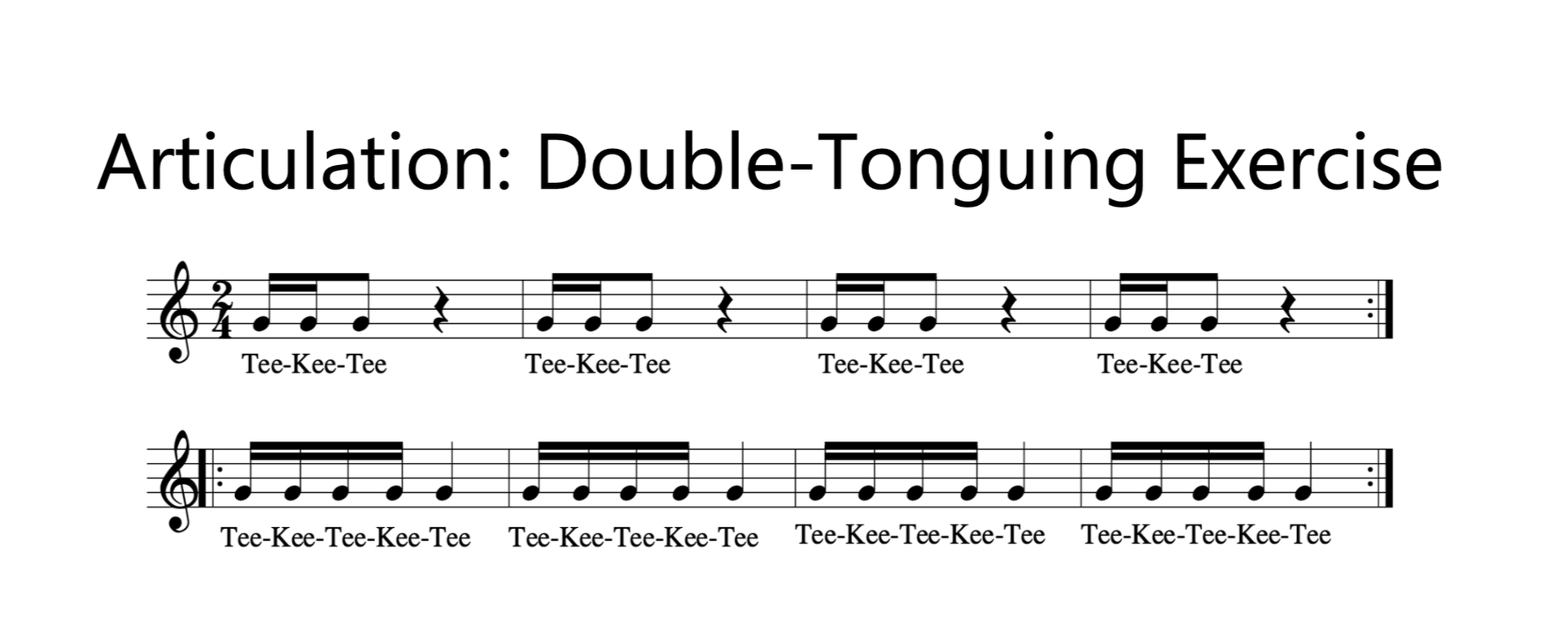
Vibrato Exercises
- Say "huh, huh, huh, huh" or imagine panting like a dog
- While sustaining a single pitch, imagine alternating dynamics very rapidly between pp to ff.
- Keep throat open and relaxed, avoid moving lips or jaw
- Set metronome to quarter=60
- Play a whole note, then give a little puff of air "(say "huh") on four slurred quarter notes, followed by a whole note
- Gradually add eight notes, triplets, sixteenths, quintuplets